Related services: custom Excel dashboards · live Excel data connections
The Role of Excel in NZ Manufacturing
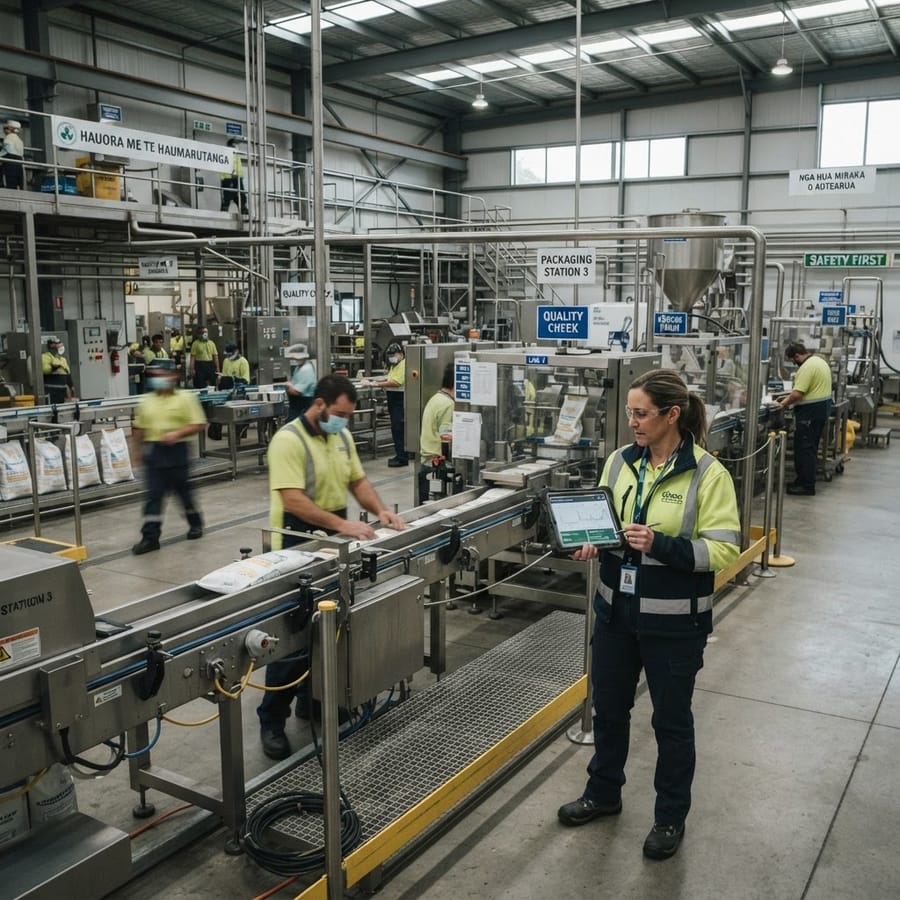
Manufacturing businesses in New Zealand operate with significant data complexity — production schedules, bills of materials, quality records, machine utilisation, labour costs, supplier lead times, and inventory levels all need to be tracked and reported. Enterprise systems handle transactional processing, but they rarely provide the flexible analytical reporting that production managers and operations teams need to run their areas effectively.
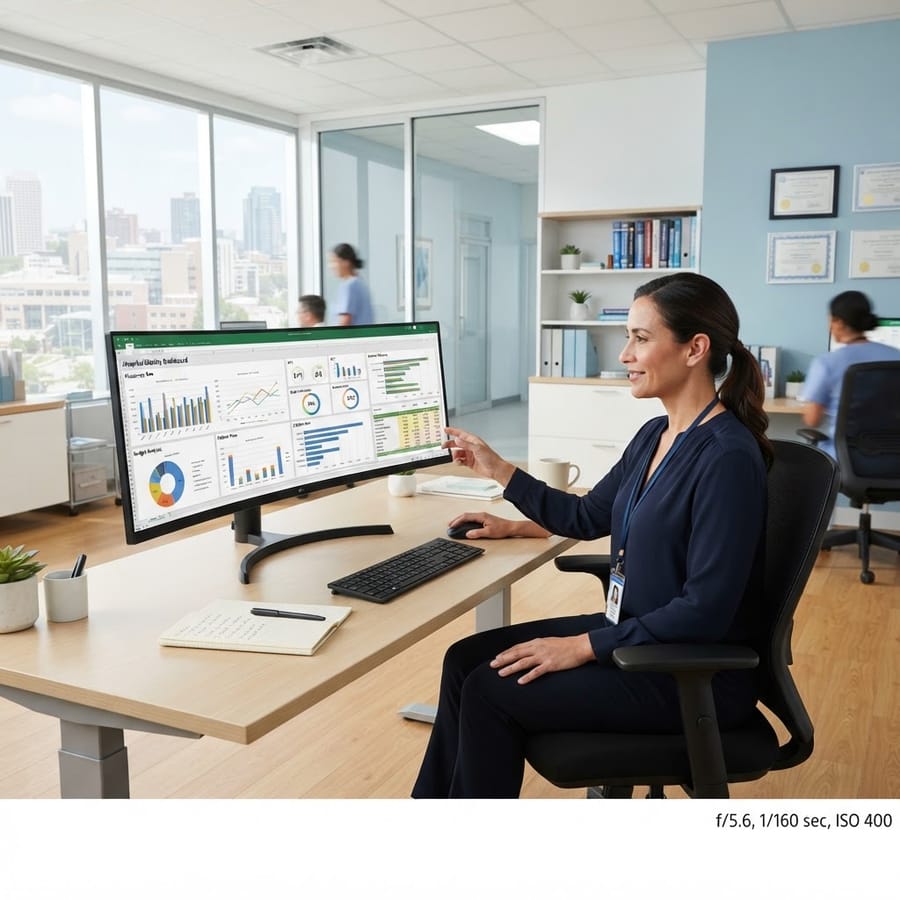
Excel fills this gap in almost every manufacturing business. The challenge is that most manufacturing Excel usage is poorly structured — ad hoc worksheets, manually updated data, and reports that require rebuilding each period. Professional Excel development turns these informal tools into reliable operational systems.
Key Applications in Manufacturing and Operations
- Production planning and scheduling tools
- Bill of materials cost modelling
- Yield and waste tracking dashboards
- Machine utilisation and OEE reporting
- Quality control and defect tracking
- Supplier performance scorecards
- Labour productivity reporting
- Inventory and raw material planning
- Sales and operations planning (S&OP) models
- Capacity planning tools
Connecting Excel to ERP Systems
One of the most valuable things a custom Excel solution can do in a manufacturing environment is connect directly to the ERP system's database. Rather than relying on manual exports and imports, the Excel tool queries live production data and refreshes reports automatically. This is particularly valuable for daily production reporting, shift-end summaries, and exception management dashboards.
Cost Modelling and Margin Analysis
Accurate product costing is critical in manufacturing. Custom Excel cost models allow operations and finance teams to model bills of materials, apply current raw material prices, factor in labour and overhead rates, and calculate product margins across the full range. When input costs change, the model updates automatically — giving management immediate visibility over the margin impact. For a fuller view of custom Manufacturing Costing, Estimating & Quoting Systems, including labour, machine time, waste and quote-to-actual profitability, see that solutions page.
Frequently Asked Questions
- Can Excel integrate with our ERP system?
- In most cases, yes. We can connect Excel directly to SQL databases used by most ERP systems, or build import automation from system exports. The right approach depends on your ERP platform.
- What is OEE reporting in Excel?
- Overall Equipment Effectiveness (OEE) measures production efficiency by combining availability, performance, and quality metrics. Excel dashboards can calculate and visualise OEE automatically from production data.
- When should a manufacturing business use Excel vs a full MES?
- For reporting, analysis, cost modelling, and planning layers above the transactional ERP, Excel often delivers better value and faster implementation than a full Manufacturing Execution System.
Conclusion
Manufacturing businesses that invest in properly built Excel tools improve operational visibility, reduce reporting effort, and make better production decisions. XLS Experts works with NZ manufacturers to build tools that complement existing systems and deliver the analytical capability that ERP platforms alone rarely provide. Production reporting tells you what is happening on the factory floor. If you also need to control how jobs are priced before production begins, see our Manufacturing Costing, Estimating & Quoting Systems.