Related services: spreadsheet design and build
Tracking project costs effectively is crucial for any business aiming to enhance profitability and manage resources efficiently. A structured Excel system can provide project managers with the tools necessary to monitor various expenses, compare budgets against actual spending, and forecast costs based on historical data. This blog explores the essential components of project costing in Excel, ensuring that project managers have the insights needed to drive project success.
Project Cost Tracking
Implementing a project cost tracking system in Excel involves capturing all relevant expenses. Key areas to focus on include:
- Labour Costs: Track employee hours and associated costs.
- Materials: Monitor the costs of raw materials and supplies.
- Subcontractors: Keep a record of subcontractor fees and payments.
- Overheads: Include fixed and variable overhead costs related to the project.
- Other Expenses: Capture any additional project-related costs.
Budget vs. Actual Costs
A critical aspect of project management is comparing planned budgets with actual spending. By analysing these figures, project managers can:
- Identify cost overruns early.
- Adjust project plans based on spending patterns.
- Improve future budgeting accuracy by learning from past discrepancies.
Labour and Resource Costing
Monitoring employee hours and resource utilisation is essential for understanding labour costs by project or task. This can be achieved through:
- Tracking hours worked against project tasks.
- Calculating costs based on hourly rates.
- Assessing resource allocation to optimise efficiency.
Project Profitability
Calculating project profitability involves determining revenue, total costs, and gross margin. Key calculations include:
- Total Revenue: Sum of all income generated by the project.
- Total Costs: Aggregate of all project expenses.
- Gross Margin: Total Revenue minus Total Costs, indicating profitability.
- Estimated Profitability: Use historical data to forecast future project outcomes.
Cost Forecasting
Utilising historical and current project data allows for more accurate cost forecasting. This can help project managers:
- Anticipate remaining costs.
- Set realistic financial expectations.
- Make informed decisions based on projected outcomes.
Project Cost Dashboards
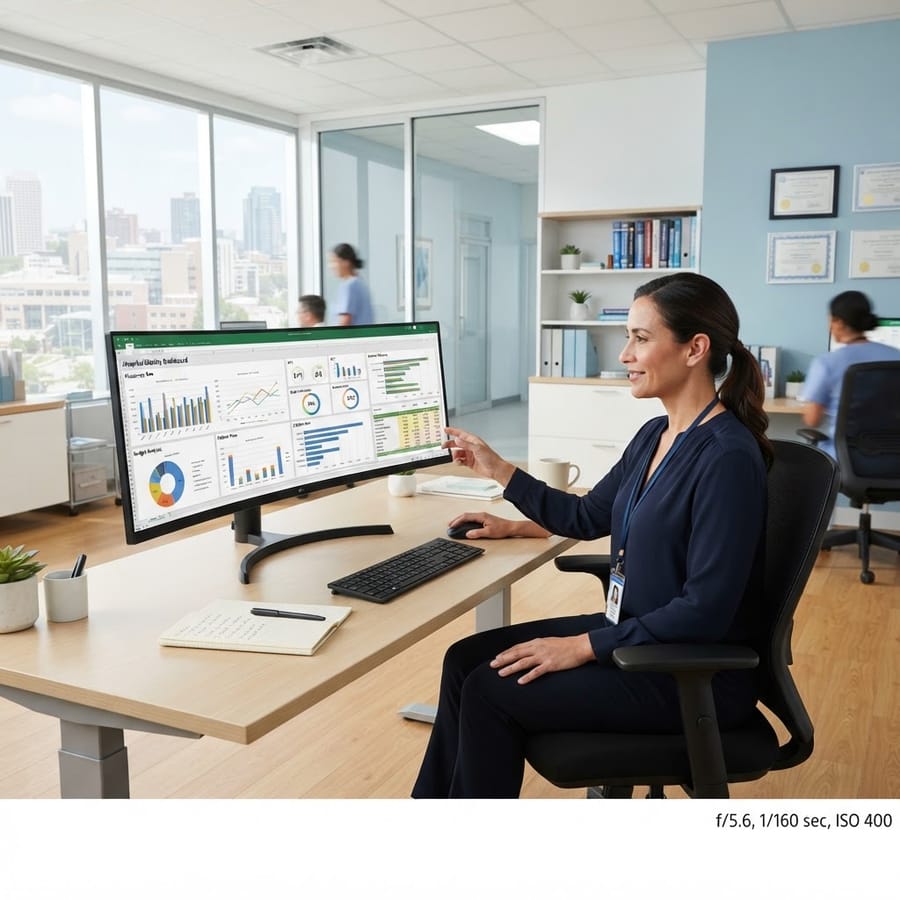
Creating Excel dashboards can provide a visual representation of project finances. Dashboards can display:
- Project budgets and actual costs.
- Margins and variances.
- Overall profitability metrics.
Automated Reporting
To streamline reporting processes, automation can be employed using VBA and Power Query. Benefits include:
- Reduced manual data entry.
- Faster report generation.
- Consolidation of data from multiple sources for comprehensive analysis.
Cost Variance Analysis
Understanding where costs exceed expectations is vital. Conducting a cost variance analysis involves:
- Identifying variances between budgeted and actual costs.
- Analysing reasons for discrepancies.
- Implementing corrective actions to mitigate future variances.
Multi-Project Management
For businesses managing multiple projects, a structured approach to cost management is essential. Key strategies include:
- Comparing costs across projects to identify trends.
- Allocating resources effectively among projects.
- Leveraging data to make strategic decisions for future projects.
Real-World Examples
Various industries can benefit from effective project costing in Excel. Examples include:
- Construction: Tracking labour, materials, and subcontractor costs to ensure project profitability.
- Consulting: Monitoring billable hours and expenses against client budgets.
- Manufacturing: Managing costs associated with production projects and resource allocation.
Benefits of Excel Project Costing
Implementing an Excel project costing system provides numerous advantages:
- Improved cost visibility across projects.
- Faster reporting and analysis.
- Enhanced forecasting accuracy.
- More informed decision-making for project managers.
When to Automate
Determining when to automate processes is crucial. A basic spreadsheet may be sufficient for small projects or businesses. However, as complexity increases, integrating VBA, Power Query, or customised Excel solutions can provide:
- Greater efficiency in data management.
- Enhanced reporting capabilities.
- Streamlined workflows across multiple projects.
Frequently Asked Questions
- What is project costing in Excel?
- Project costing in Excel refers to the process of tracking and managing project expenses, budgets, and profitability using spreadsheet tools. It allows project managers to monitor costs effectively and make informed financial decisions.
- How can I improve project profitability with Excel?
- Improving project profitability with Excel involves tracking costs diligently, comparing budgets to actual spending, and using data to forecast future costs. Dashboards and automated reporting can also enhance visibility and decision-making.
- When should I consider automating my Excel project costing system?
- Automation should be considered when project complexity increases, or when manual processes become time-consuming. Tools like VBA and Power Query can help streamline reporting and data management, making it easier to handle multiple projects efficiently.